

By Emily Rodriguez
In a world facing growing fractures—conflict, climate change, migration—there’s a remarkable thread of action: local leaders are forming global alliances to protect people and the planet. What does that mean for on-the-ground realities like housing, cultural identity, and who gets displaced? Let’s explore some of the solutions emerging.
Local Action, Global Impact
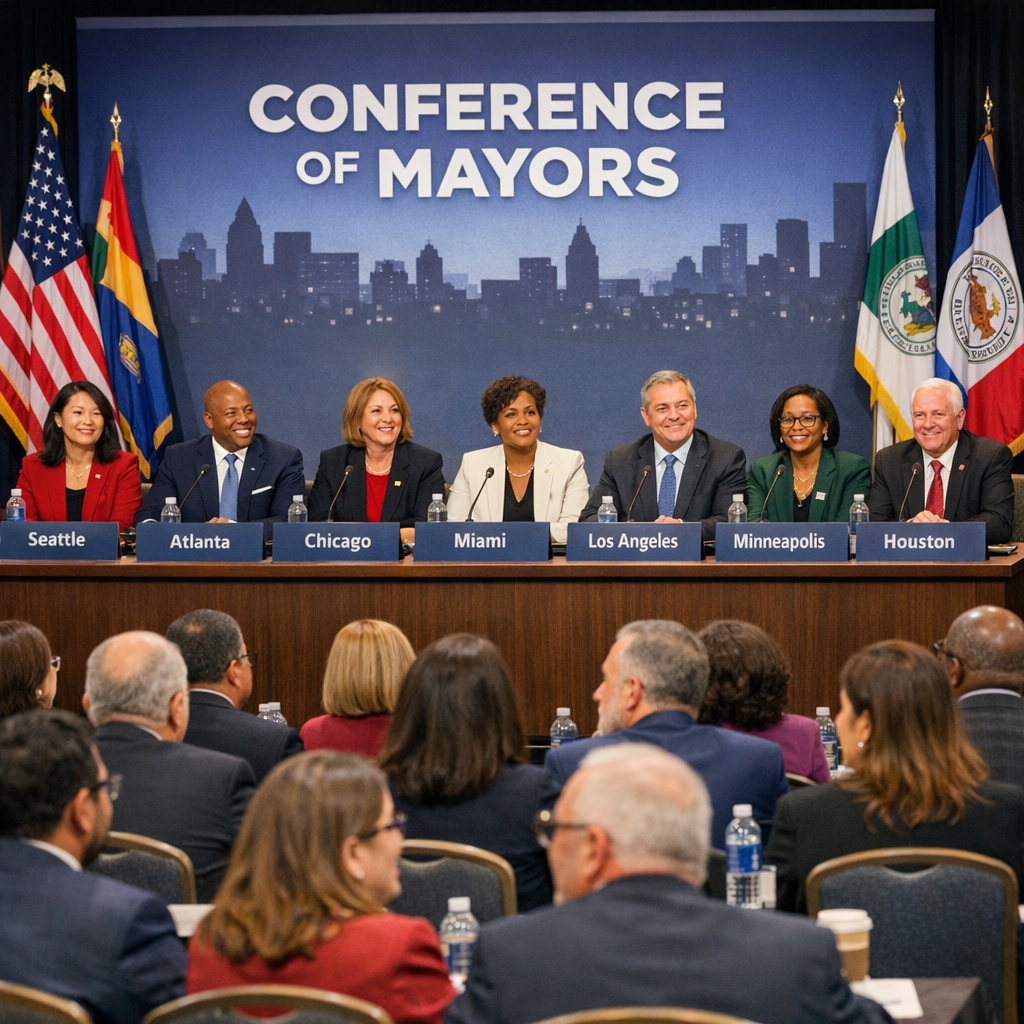
In New York, mayors from cities worldwide have come together to rethink how local governments confront what often seem like national or international problems. Topics on the table include affordable, dignified housing; clean energy transitions that don’t leave workers and communities behind; and the humane treatment of migrants and displaced people. The idea is simple but powerful: cities aren’t waiting for distant policies—they’re taking action now to build resilient communities.
Climate Migration: Where Where We Live Becomes Why We Move
One of the most pressing challenges tied to climate is migration. As heat, droughts, and floods worsen, millions face displacement—losing homes, livelihoods, even education. Experts warn this won’t just be a numbers game; it will test how we support vulnerable populations so they aren’t left behind.
Forced Movement, Growing Needs
Some places already feel the effects: when regions can’t sustain farming, when seas inundate villages when storms ravage infrastructure. Internally displaced people—those moving within country borders—face huge obstacles: loss of resources, lack of access to aid, threats to their rights. Governments often lack policies to address this scope, and global frameworks are struggling to keep pace.
What Role Cities Can Play
Cities—often the first point of arrival for displaced people—are uniquely positioned to help. Through thoughtful urban planning, inclusive housing policies, better local support systems and coordination with national authorities, city governments can offer stability, justice, and hope. What’s happening in city networks shows how these solutions can scale.
Bridging Economic and Social Gaps
Another major concern: rising inequality between rich and poor countries. A recent U.N. report found many promises made to narrow that divide have gone mostly unmet, even though global cooperation frameworks aim to uplift the most disadvantaged.
For cities, that means finding innovative ways to access funding, partner with international institutions, and build local economies that work for everyone. Whether through climate finance, affordable housing, or public health — the stakes are high.
Why This Matters Locally
Living in Escondido or other city in California, global stories aren’t far away. Climate migration, for example, could bring more pressure on housing and resources; inequality on a global scale eventually filters down through trade, migration, and international politics. Having engaged, informed city leadership that is part of global coalitions strengthens responses here at home.
The rising wave of collaborative city action offers a blueprint: rooted in place, but linked across borders. As the risks grow, so does the need for shared learning and collective responsibility—not just nationally, but—from city halls everywhere.